
Disappearing Golf Clubs
27. Januar 2026
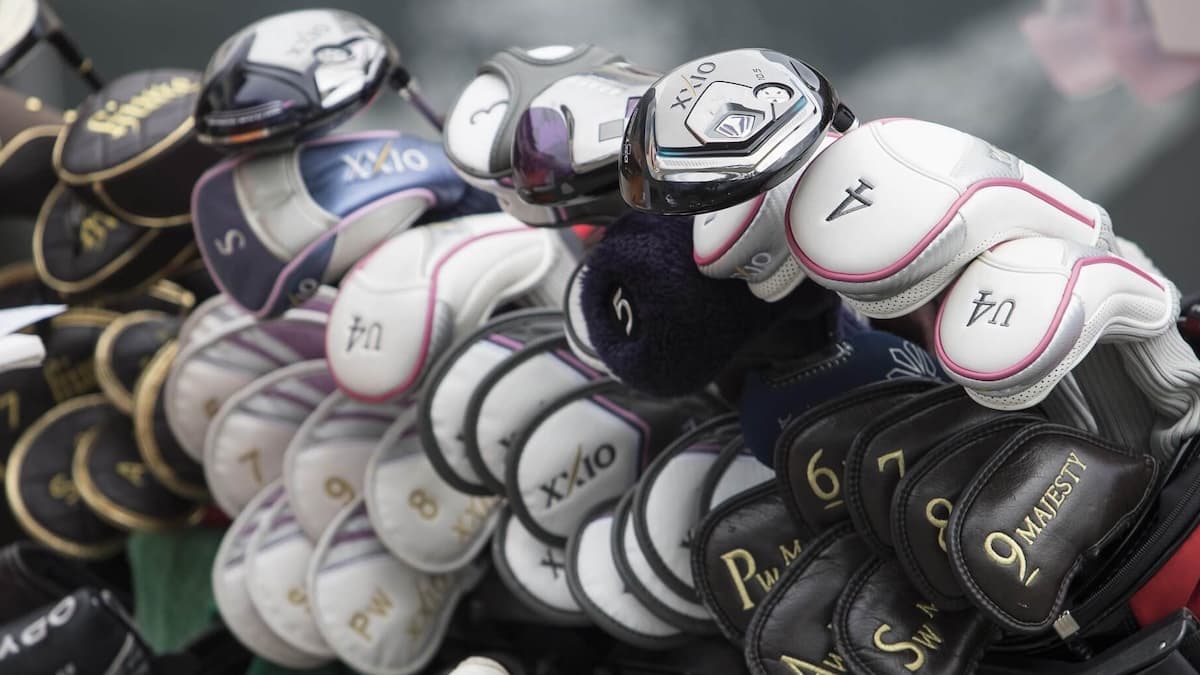
Disappearing Golf Clubs is a short golf blog post that looks at some of the modern-day clubs that are vanishing from the game.
Golf is a game steeped in tradition, but it’s also a sport constantly evolving, especially when it comes to equipment.
While some clubs remain timeless staples, others have slowly faded from view, replaced by newer innovations and changing course demands.
Let’s take a nostalgic, and perhaps a little mournful, look at some modern golf clubs that are either teetering on the brink or have already become a rare sight on the fairways.
The Woods: A Shrinking Forest
Once, a golfer’s bag was a veritable forest of wooden clubs (or metal woods, as they became known).
Today, the driver and 3-wood dominate, leaving many of their siblings to become relics.
The 2-Wood:
Remember the “Brassie”? This club was designed for pure distance off the tee or a long second shot.
However, with the advent of larger, more forgiving driver heads and the sheer power modern golfers generate, the 2-wood’s niche became increasingly squeezed.
It offered only a marginal distance gain over a 3-wood for most players, with less forgiveness.
Today, it’s virtually extinct, except perhaps in the bags of collectors or very specific retro enthusiasts.
The 4-Wood & 6-Wood:
These two used to be common options for players seeking a reliable alternative to a driver or a powerful fairway finder.
The 4-wood provided a slightly higher loft than a 3-wood, making it easier to launch, while the 6-wood offered more control and versatility.
However, the rise of hybrid clubs, which offer similar loft and greater ease of use and forgiveness, has pushed the 4-wood and 6-wood out of production.
Why carry a long, less forgiving wood when a compact, versatile hybrid can do the job better?
The 7-Wood, 9-Wood & 11-Wood:
These higher-lofted fairway woods were once the go-to for golfers who struggled with long irons.
Designed for golfers who want a more forgiving option for approach shots and even chipping around the green.
They offered a great combination of distance and launch, particularly for slower swing speeds. But again, the hybrid revolution has been a major factor in their decline.
Hybrids are generally easier to hit from a variety of lies, including rough, and offer a more compact head design that appeals to many players.
While some manufacturers still offer a 7-wood, anything higher is now a very niche product, primarily found in women’s or senior sets.
The Irons: The Long Game Gets Shorter
For decades, the standard iron set went from 3-iron to pitching wedge. The truly skilled or powerful player might even carry a 1 or 2-iron.
The 1-Iron (“Driving Iron”):
This club required an exact strike and was notoriously difficult to hit consistently for all but the very best ball strikers.
It was designed for piercing, low shots, often used as a more controllable alternative to a driver on tight holes or in windy conditions.
With modern drivers offering incredible forgiveness and longer distances, and the prevalence of utility irons, the 1-iron has now been relegated to golf museums.
However, they are found in some tour pros’ bags, but for the average golfer, it was a recipe for frustration.
The 2-Iron & 3-Iron:
These long irons were once integral to a golfer’s arsenal, used for long approach shots, tee shots on par 3s, and even punching out of trouble.
However, their low loft and unforgiving nature made them challenging for many amateur golfers.
The rise of easy-to-hit hybrids and the increasing popularity of higher-lofted fairway woods have made the 2-iron and 3-iron increasingly rare in everyday golf bags.
Most modern iron sets now start at a 4-iron or even a 5-iron, with hybrids filling the gap at the longer end.
The Speciality Clubs: A Niche Too Small
Beyond the standard sets, some specialised clubs have also seen their popularity wane.
The Chipper:
Designed to simplify the short game around the green, the chipper typically has the loft of a 7, 8, or 9-iron and a more upright putter-like lie angle.
The idea was to take the wrist action out of chipping, promoting a simple putting stroke for consistent results.
While it can be effective for some, many golfers found it to be a “crutch” that hindered the development of a proper chipping technique.
The versatility of modern wedges, combined with improved coaching and understanding of short game fundamentals, has made the chipper largely obsolete.
It still exists as a niche product, often marketed towards beginners or those with specific short game struggles, but it’s far from a common sight.
The Evolution Continues
The golf club landscape is ever-changing. As technology advances and golf course designs evolve, so too will the tools we use to play the game.
While it’s a little sad to see these clubs disappear, their departure often paves the way for innovations that make golf more enjoyable and accessible for a wider range of players.
So, the next time you’re on the course, take a moment to appreciate the clubs in your bag – they might be the next generation of golfing history.
What clubs do you remember from your early golfing days that you rarely see now? Let us know in the comments!
What are your thoughts about Disappearing Golf Clubs?
Please leave a comment by completing a Contact Form.
To read more of my golf blog posts, click here.